
The PPWR legislation: a joint mission towards more sustainable packaging
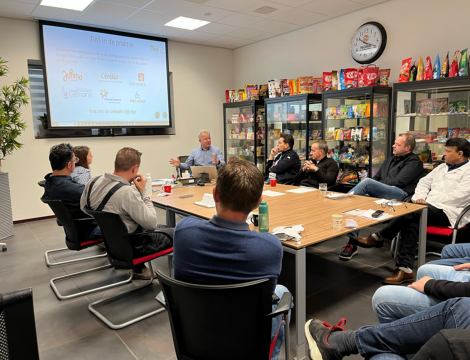
There are major changes afoot in the world of packaging. With the introduction of the PPWR (Packaging and Packaging Waste Regulation), the European Union is significantly tightening the rules governing packaging materials and waste. The legislation has been in place since 2025, but it will come into force on 12 August 2026. The aim of this legislation is clear: to improve the recyclability of packaging and thereby reduce waste. This poses major challenges, particularly for the food and drinks sectors, as reducing food waste and ensuring the recyclability of packaging are currently at odds with one another.
Packaging is, and will remain, essential. It protects our products on their journey to the consumer and plays a crucial role in combating food waste. Previously, each country had its own rules, but with the PPWR, the EU is establishing a single European standard.
What will the PPWR require of us on 12 August 2026?
The PPWR has a clear objective: to reduce packaging waste and promote a circular economy. For food producers and brand owners, this means that packaging placed on the market from that date onwards must comply with the following basic requirements:
Demonstrable compliance via a Declaration of Conformity (DoC)
A Declaration of Conformity must be available for each type of packaging, supported by technical documentation demonstrating that the packaging meets the PPWR requirements.
PFAS restrictions for food contact materials
Food packaging must not contain PFAS in concentrations exceeding the limit values set out in the PPWR. Manufacturers must be able to demonstrate this through supplier declarations and/or test results.
Packaging minimisation
Packaging must not contain more material than is necessary for product protection, food safety and logistics. Over-packaging must be avoided.
Design for recyclability
Manufacturers must be able to demonstrate that packaging is designed in accordance with the principles of high-quality recycling and future ‘Design for Recycling’ requirements.
Technical documentation and traceability
Companies must have up-to-date specifications, material data, supplier declarations and food contact documentation to demonstrate compliance during inspections.
Important to know
Many well-known PPWR requirements, such as mandatory recyclability classes, minimum recycled content percentages and comprehensive labelling rules, will not come into force until later phases (from 2028–2030). As of 12 August 2026, the focus is primarily on documentation, PFAS compliance, packaging reduction and demonstrable recyclability.
It is a fact that a great deal is changing. Packaging practices are set to undergo a major overhaul, and this is a task that we, as an industry, must actively tackle. At present, we are facing numerous administrative requirements. In collaboration with our suppliers, we are working hard to obtain the DoCs and PFAS declarations. Traceability has, of course, long been a requirement within the food sector.
Although the precise implementation and consequences are still uncertain, it is clear that in the coming years the EU will impose even more obligations on us, designed to drive innovation and reduce the environmental impact of packaging.
Innovating through action: the power of co-creation
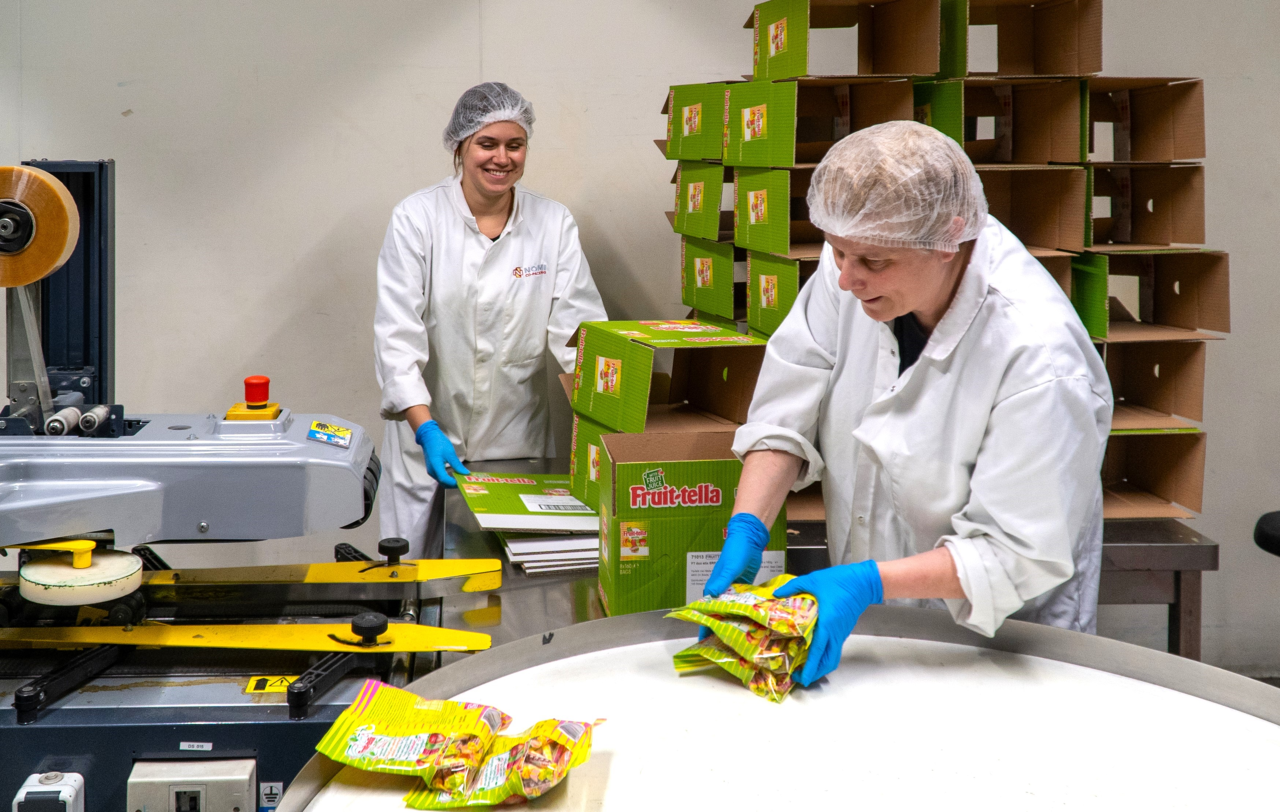
The new PPWR legislation is also having a significant impact at Nomi Co-Packing. Many of the standard packaging solutions for multipacks, portioning and mixed packs are coming under pressure as a result and need to be reconsidered. Our focus on more sustainable alternatives is nothing new to us. Sustainability ambitions, brand perception and budgetary considerations are key factors in working with the customer to arrive at the most suitable packaging concept.
The PPWR is driving innovation, and through co-creation and co-packing, we can ensure a swift and successful transition to more sustainable alternatives. By actively collaborating, testing and innovating, we have already achieved various transitions in the past, including:
Tony’s Chocolonely
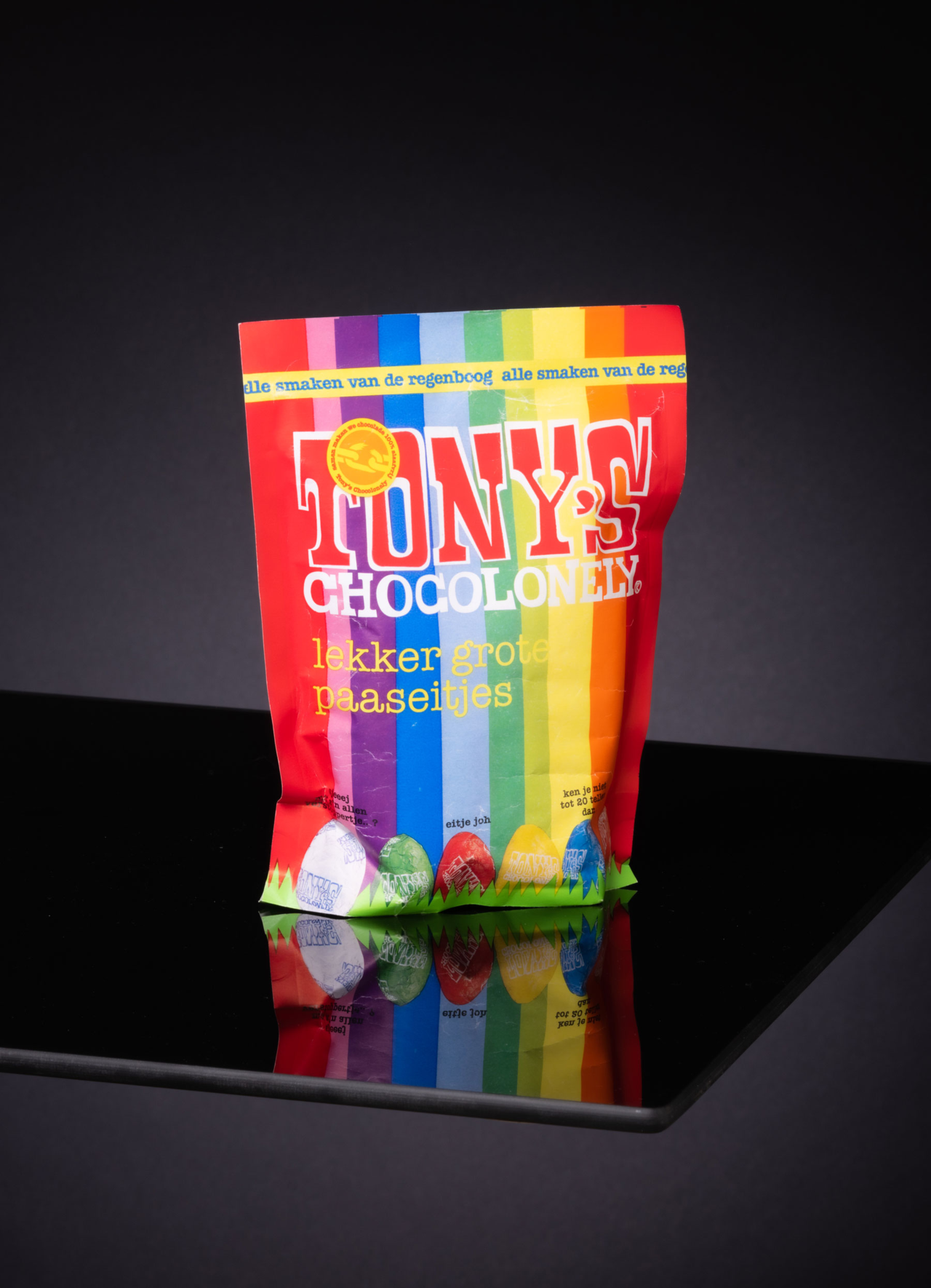
In 2019, we were the first to successfully launch a doypack made from sealable paper on behalf of Tony’s Chocolonely. A few years later, we took this a step further with a block-bottom bag made from the same sealable paper.
Verkade
Four years ago, we worked with Verkade to produce one of the first mono-laminate doypacks for the Mini Nizza. They opted for a polypropylene (PP)-based mono-laminate, including a zip made from the same material, making this packaging fully recyclable. Five years ago, this material was still extremely difficult to process on a horizontal doypack line, but by persevering together, adapting the machinery accordingly and optimising the material compositions, we have made significant progress.
Taking steps forward together
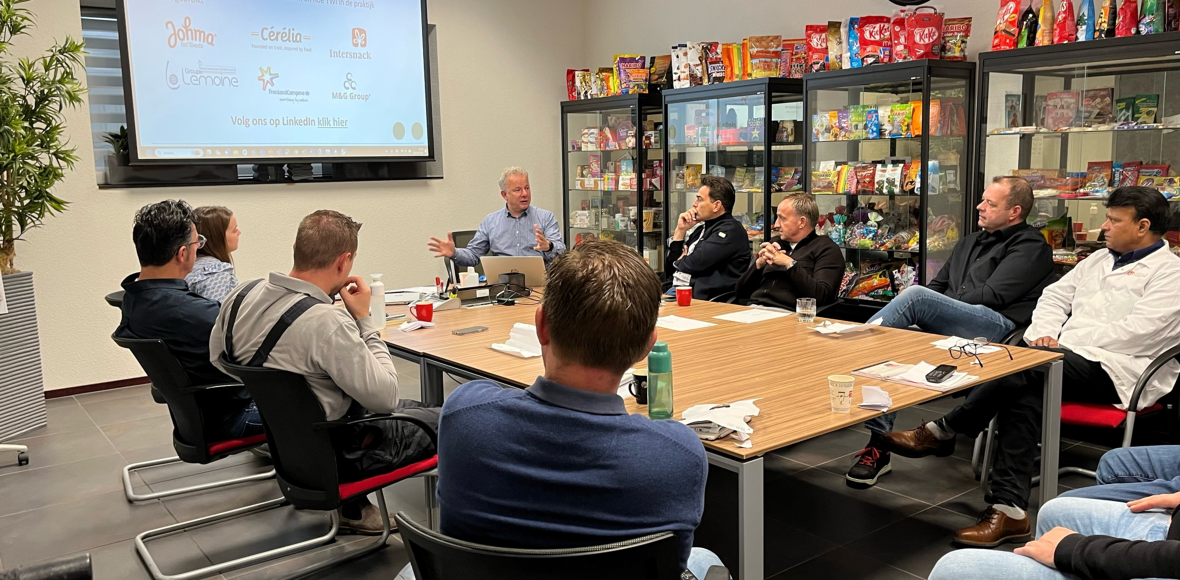
The transition to circular packaging cannot be achieved alone. It requires the sharing of knowledge amongst all parties involved, suppliers of packaging materials, machine manufacturers, brand owners and co-packers. Through collaboration, development and testing, we are jointly developing new solutions to make the new PPWR legislation workable within the packaging industry.
In the coming years, there are still various new regulations on the roadmap, including standardised disposal logos and a performance class for recyclability. The exact details will become clearer over the coming years. But one thing is certain: major changes are on the horizon. Curious to find out how we can help you with your packaging needs? Please feel free to contact us without obligation.